

























Living Room Rugs for Comfortable and Balanced Spaces
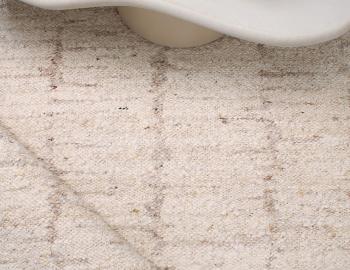
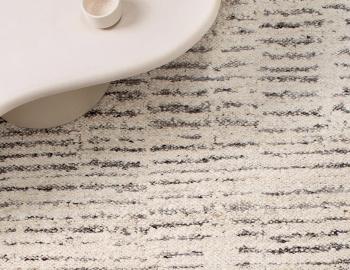
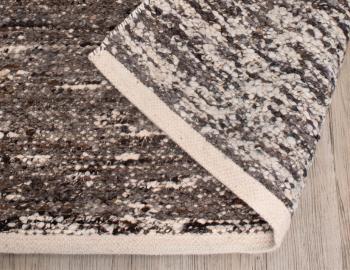
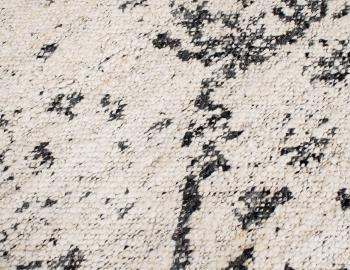
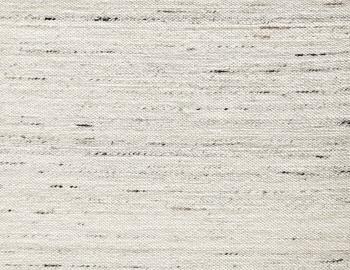
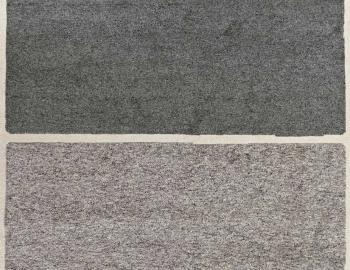
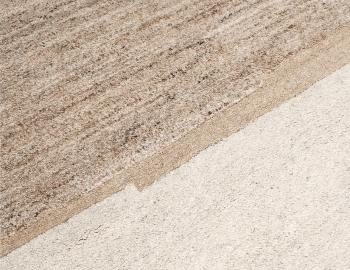
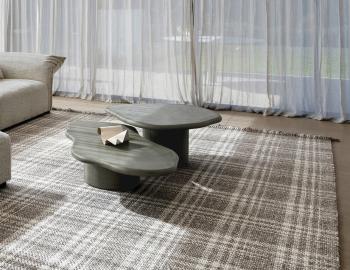
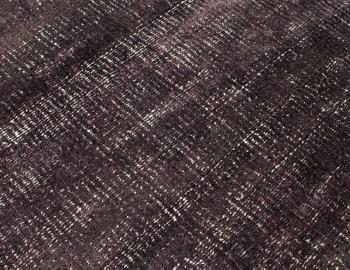
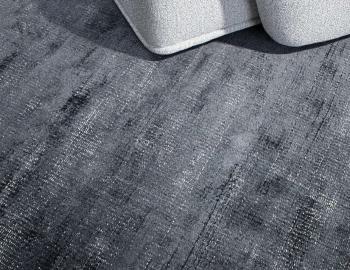
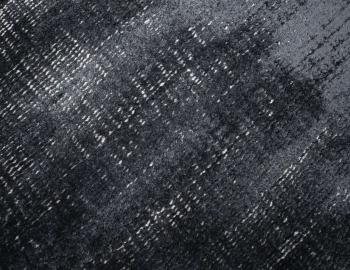
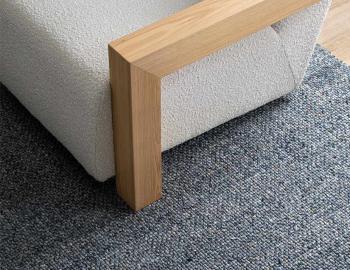
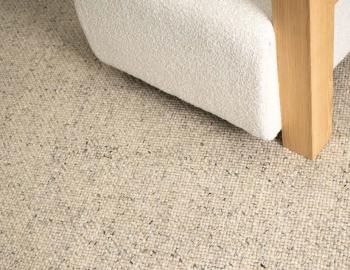
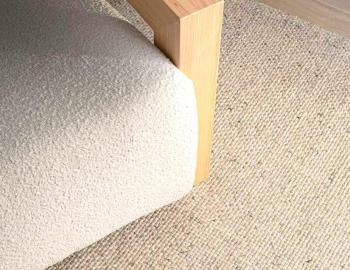
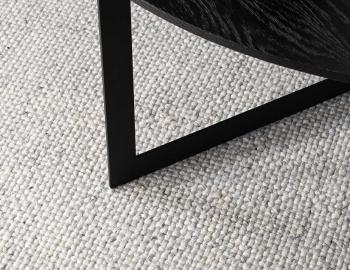
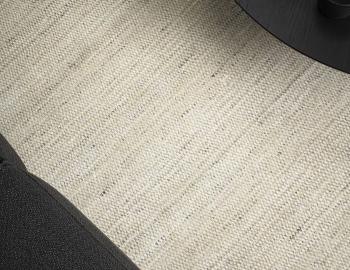
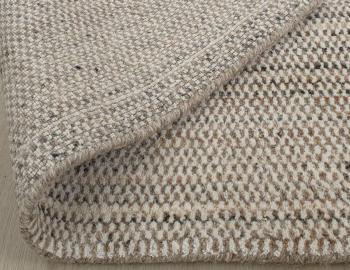
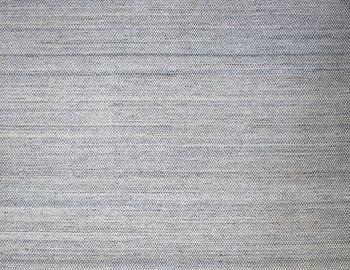
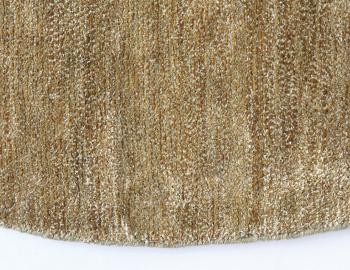
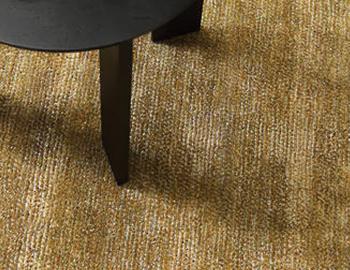
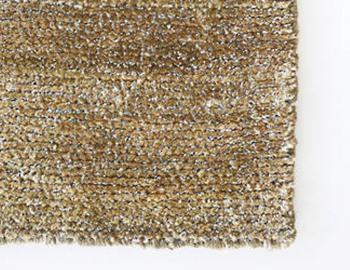
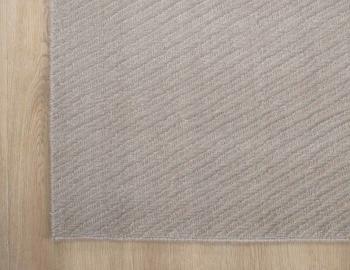
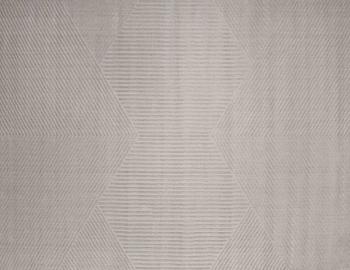
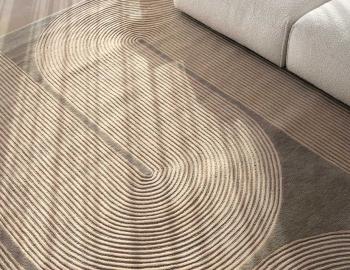
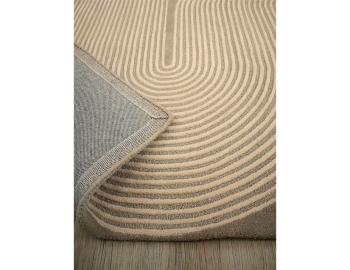
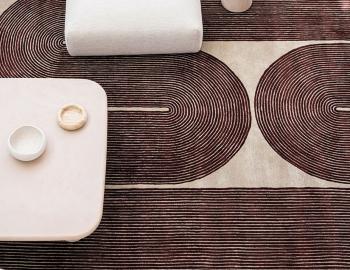
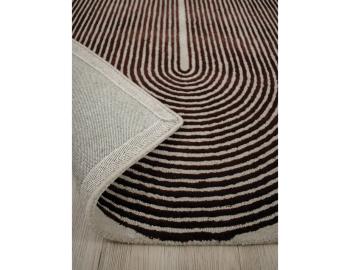
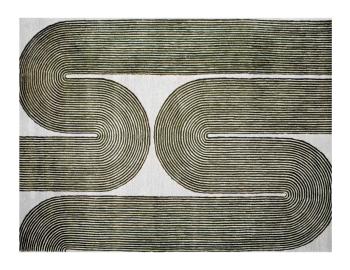
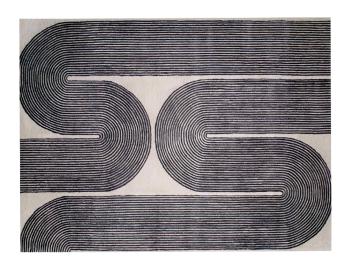
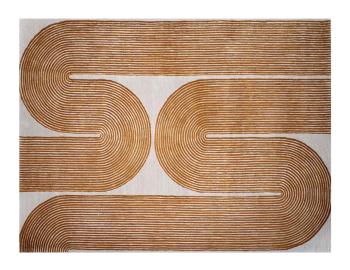
Living room rugs play an important role in shaping the layout and feel of a space. As part of our wider Rugs collection, they help define seating areas while introducing softness and texture underfoot. In modern interiors, rugs are often used to anchor furniture arrangements and create a sense of cohesion between seating, tables and surrounding elements. Large living room rugs are particularly effective in open spaces, helping bring all elements of the room together.
Using Rugs to Define the Living Room
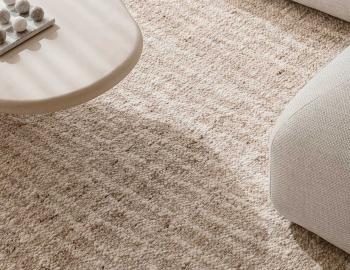
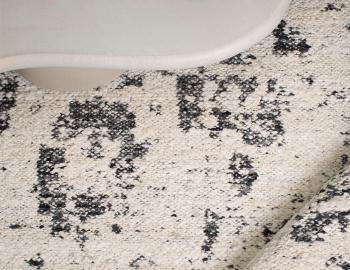
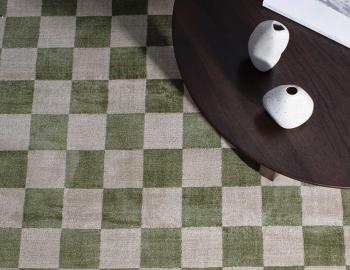
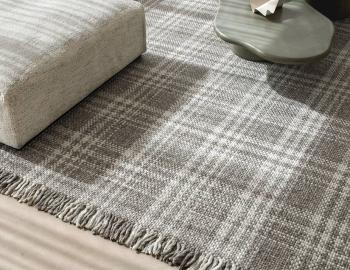
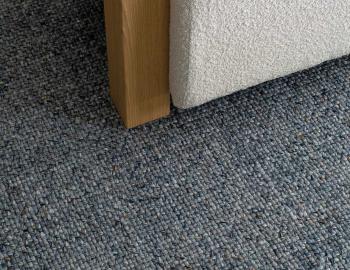
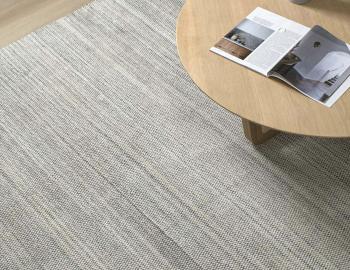
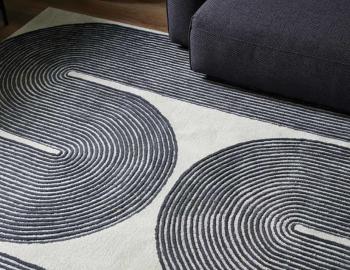
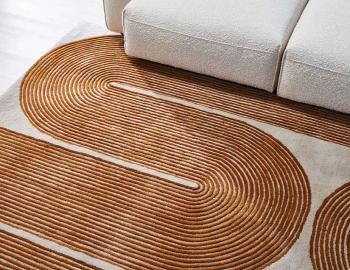
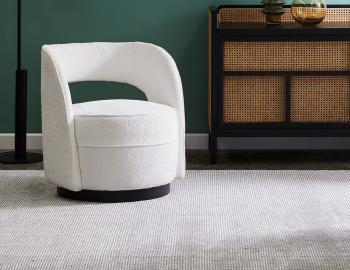
Rugs are commonly placed beneath Sofas and Lounge Chairs to establish a clear seating zone. When paired with Coffee Tables, rugs help frame the layout while maintaining visual balance within the room. In open-plan homes, big rugs for living room layouts can help separate the living area from dining or kitchen zones without the need for physical barriers.
Choosing the Right Living Room Rug Size
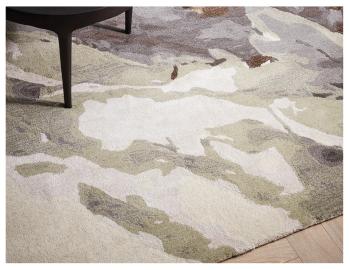
Rug size is one of the most important considerations when styling a living room. A well-proportioned rug should extend beyond the front legs of sofas and lounge chairs, allowing furniture to sit comfortably within the rug boundary. Larger rugs help create a more cohesive look by visually connecting all furniture pieces, while smaller rugs can be used in compact living spaces to define a more contained seating area. Explore our Large Rugs for options suited to bigger living room layouts.
Rugs for Different Living Room Layouts
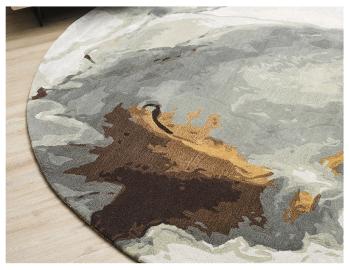
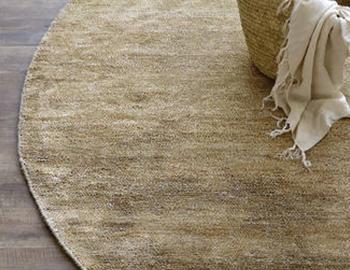
Different living room layouts require different rug approaches. In larger spaces, rugs can sit beneath full seating arrangements to unify the area. In smaller rooms, a rug placed beneath a coffee table can help centre the layout without overwhelming the space. Round Rugs can soften angular furniture arrangements, while rectangular rugs align well with sofas and linear seating configurations.
Creating a Cohesive Living Room
Living room rugs act as a foundation that ties furniture together. Whether using a standard size or a large living room rug, they help create spaces that feel comfortable, balanced and intentional. Explore our complete Living Room Furniture collection to create cohesive interiors that combine comfort, function and contemporary design.
Frequently Asked Questions
A living room rug should be large enough to sit beneath the front legs of sofas and lounge chairs. This helps anchor the seating area and creates a balanced layout.
Yes. Rugs are typically placed partially under sofas to create a defined seating area and improve visual cohesion within the living room.
Rectangular rugs are the most common choice as they align with sofas and coffee tables. Round rugs can also work well to soften spaces and create visual contrast.
Rugs help define the living zone within open-plan layouts, separating it from dining or kitchen areas without the need for walls or partitions.
Yes. Rugs that are too small can make the space feel disconnected. A larger rug that connects key furniture pieces creates a more cohesive layout.
Not necessarily. In most living rooms, only the front legs of sofas and chairs sit on the rug to maintain balance while keeping the space open.
Rugs are typically placed beneath the seating area, with sofas and lounge chairs partially resting on the rug. This helps define the space and create a cohesive layout.
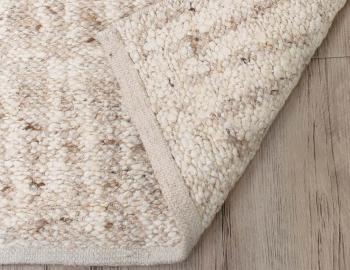
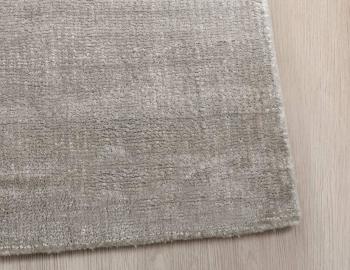
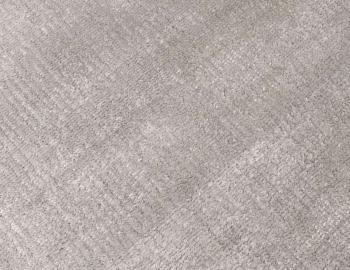
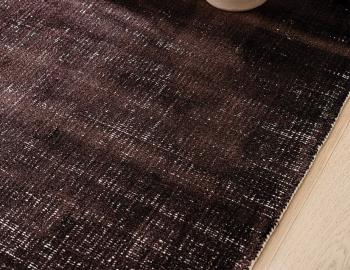
The best rugs for living rooms are those that suit the size and layout of the space. Larger rugs help connect furniture, while materials and textures can be chosen to match the overall style and level of comfort required.


What Sets Us Apart

Trusted by our Customers
Chosen with confidence by customers who value calm, considered design, lasting quality, and supportive service from start to finish.

FSC Certified
We use FSC certified timber—responsibly sourced to support healthy forests, ethical production, and design that respects our planet.

Craftsmanship that lasts
Thoughtfully made, beautifully finished—our pieces are crafted with care, built for everyday living, and designed to stand the test of time.

Reducing Waste
We make conscious choices—focusing on quality, longevity and thoughtful production—to reduce waste and create pieces that truly belong.