
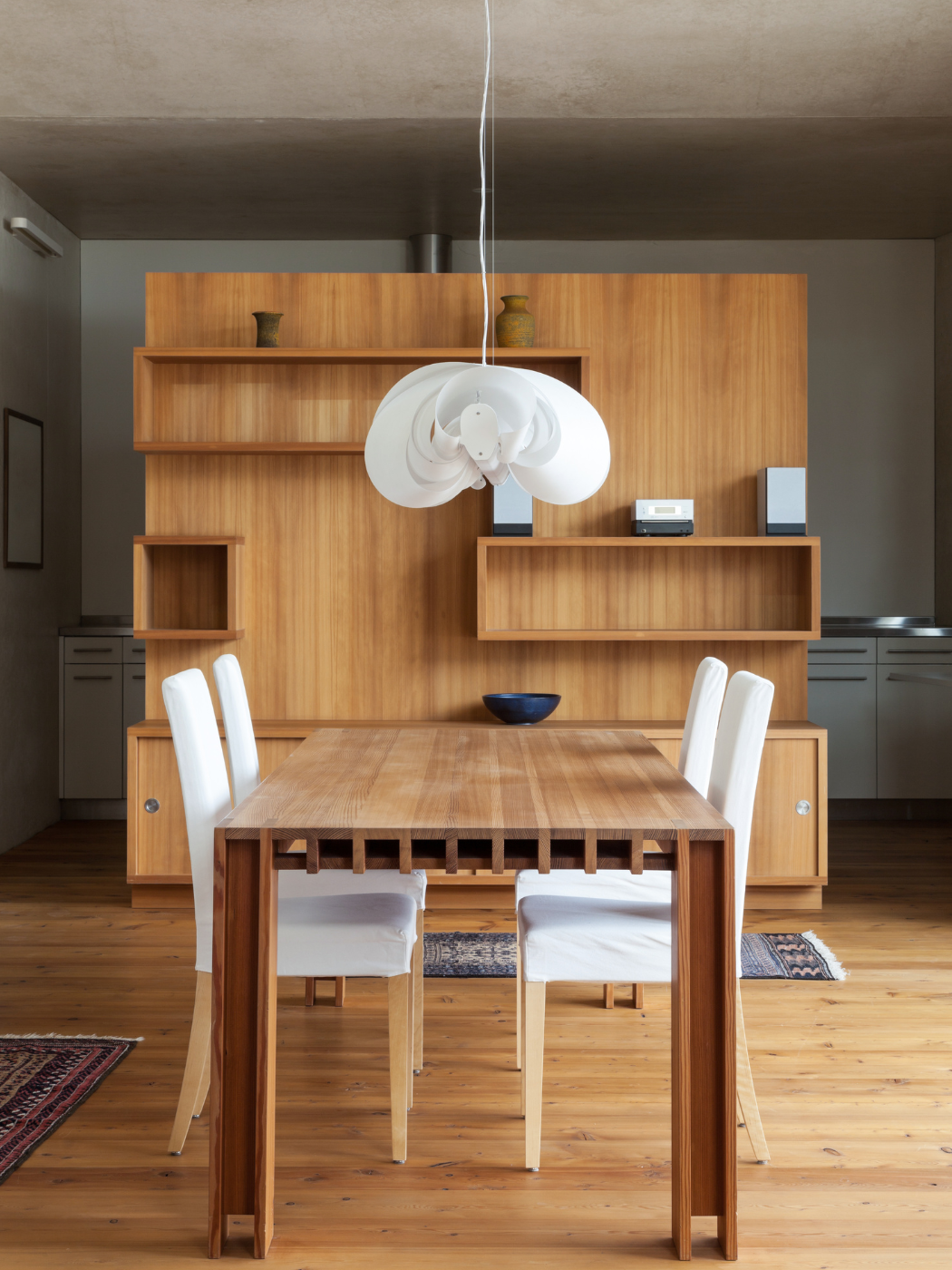
How to Choose the Perfect Dining Set for Your Home
The Art of Selecting the Perfect Dining Set
Choosing the right dining set is not just about filling a space in your home; it’s about creating a warm, inviting area that blends comfort, style, and functionality.
The dining table is often the heart of the home – a place where meals are shared, stories are told, and memories are made. As a seasoned home decor enthusiast, I’ve learnt through trial and error that the perfect dining set can transform a room’s ambience and functionality. In this guide, I’ll share insights and personal experiences to help you navigate the myriad of options available.
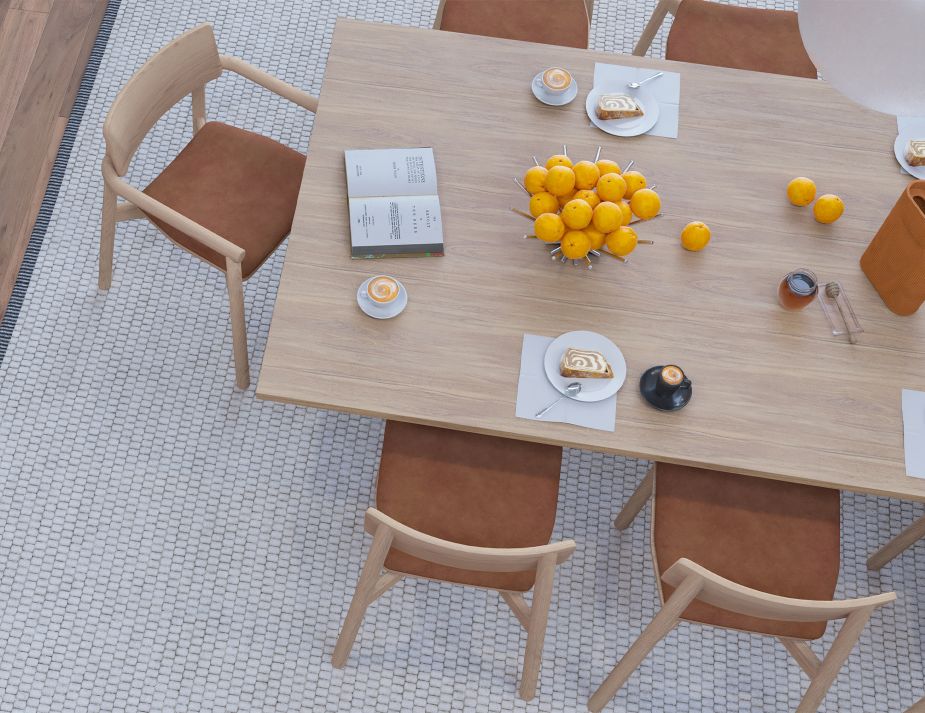
Right Dining Set: Considerations for Size & Use
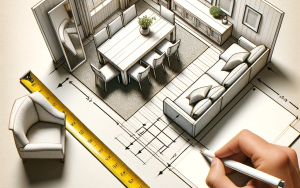
Consider Your Space: When planning to revamp your dining area, the first step is to consider the space available. It’s crucial to measure your dining room accurately, taking note not just of the size, but also the shape. Is your dining area long and narrow or a spacious square? This will significantly influence the shape and size of the dining set you choose. Remember, there should be ample space for movement around the table – a cramped dining area hinders comfort and style.
Understanding Your Usage: Understanding the primary function of your dining set is key. Ask yourself: How often will it be used, and for what purposes? If it’s for daily meals with a large family, durability and size take precedence. Alternatively, if you’re a frequent host of dinner parties, you might prioritise a more elegant design and a table that can accommodate additional guests. Balancing practicality with aesthetics is essential in making a choice that fits your lifestyle.
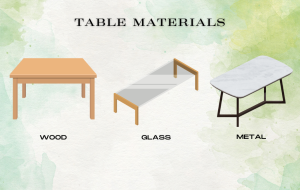
Right Material and Colour for Your Dining Set
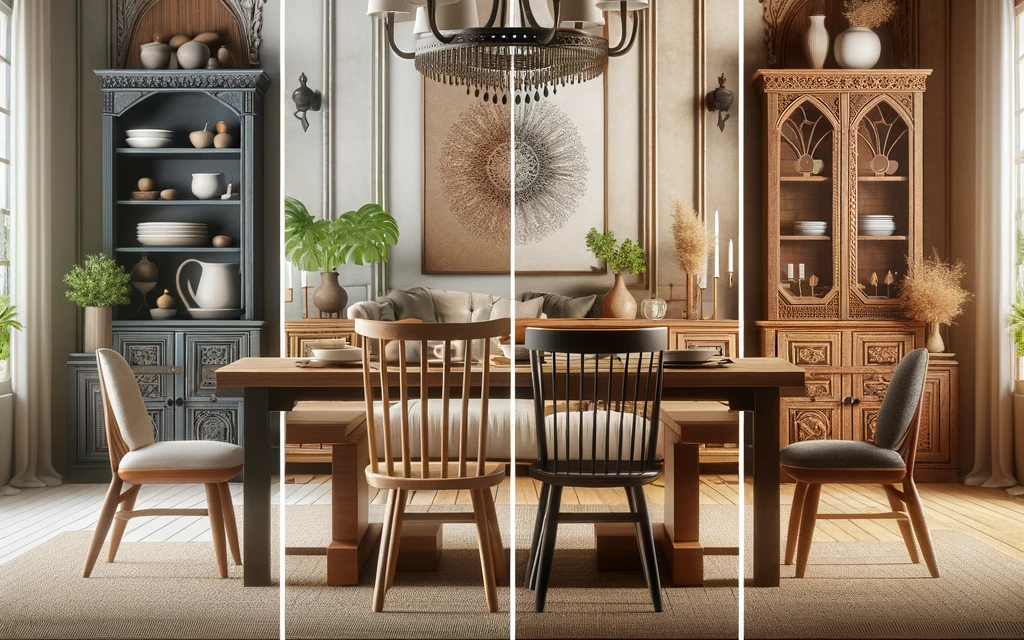
Modern vs. Traditional: When selecting a dining set, it’s crucial to align with your home’s overall aesthetic. Modern designs often feature clean lines, minimalistic shapes, and innovative materials, perfect for contemporary spaces. Traditional sets, on the other hand, lean towards intricate details, rich wood finishes, and classic silhouettes, offering warmth and elegance to any dining area. Assess your existing decor to choose a style that creates a cohesive look.
Material Matters: The material of your dining set significantly impacts both its appearance and functionality. Wood, with its durability and timeless appeal, suits both modern and traditional settings but requires regular maintenance to retain its beauty. Glass tables add a touch of sophistication and lightness to a room, though they can show fingerprints and smudges more easily. Metal tables offer a sleek, industrial vibe and are robust, though they can feel cold. Composite materials provide a budget-friendly alternative with various finishes, but may not last as long as solid wood or metal.
Colour Coordination: Selecting the right colour scheme for your dining set can complement the dining room’s overall decor. Consider neutral tones for versatility, or bold hues to make a statement. Ensure the colours blend well with your room’s palette to create a harmonious space.
Selecting the Ideal Table Shape for Your Space
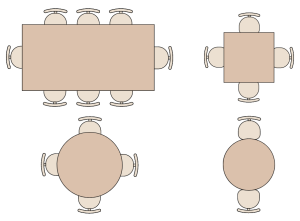
Seating Capacity: Think about your lifestyle needs when deciding on seating capacity. A larger family or those who entertain often might prefer an extendable table to accommodate more guests, while a smaller table suits more intimate dining or smaller spaces.
Table Shape and Size: The shape of your table affects both its functionality and how it fits into your space. Round and oval tables facilitate conversation and are ideal for smaller rooms, offering flexible seating. Square and rectangular tables fit well in most rooms and can accommodate more people, especially if they’re extendable.
Function and Comfort Considerations: The functionality of your dining table is a key factor. Extendable tables offer flexibility for those who entertain guests often, allowing you to adjust the size as needed. The shape of the table also plays a role – round tables foster a more intimate dining experience, while rectangular tables are more traditional and can accommodate more guests. Beyond functionality, the comfort of your chairs is paramount. Look for ergonomically designed chairs that support a comfortable dining experience. Consider the seat height and depth, back support, and whether you prefer chairs with or without armrests.
Maintenance 101: Keeping Your Dining Set Like New
Material Durability: Choose materials that can withstand the test of time. Hardwoods like oak and teak are renowned for their durability in wooden dining sets. Metals should be coated or treated to prevent rust, while glass tables might require tempered glass for added strength.
Care Tips: Regular maintenance keeps your dining set looking its best. Wood tables should be dusted and occasionally polished; glass can be wiped with glass cleaner for a sparkling finish. Metal sets might need occasional treatments with protective coatings, and composite materials should be cleaned as recommended by the manufacturer.

Budgeting, Investing, and Shopping Smart
Setting a Budget: Before shopping, decide on a budget that reflects both your financial constraints and the importance of the dining set in your home. Remember, a dining table is often a long-term investment.
Investing Wisely: While it’s important to stick to your budget, consider the value over time. Investing a bit more in a durable, timeless piece can be more cost-effective than replacing a cheaper table every few years. Look for quality craftsmanship, materials, and a design that you’ll love for years to come.
Online vs. In-Store Shopping: Online shopping offers convenience and a broader selection, often at competitive prices. However, the inability to see and feel the product first-hand can be a drawback. In contrast, in-store shopping allows you to assess the comfort and quality directly, but the options may be limited compared to online retailers. Consider your priority: variety and convenience, or the tactile experience of trying before buying.
Finding Your Perfect Dining Set
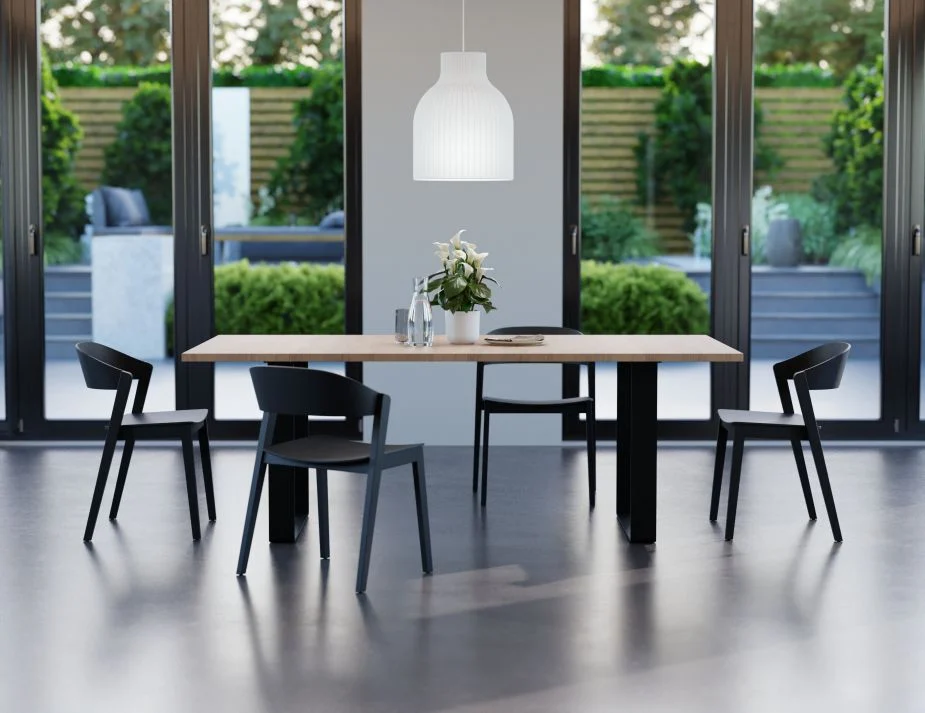
When it comes to finalising your dining set choice, remember to consider the key points we’ve discussed. Reflect on the size and shape of your space, your personal style preferences, and the functionality you need. Balance your budget with the quality and longevity of the furniture. Remember, this is not just a purchase; it’s an investment in your home’s comfort and aesthetic. Take your time to choose a set that resonates with your lifestyle and will be a source of joy and comfort for years to come.
Frequently Asked Questions
nDifferent table styles can enhance attractiveness by adding character and interest to a dining area. Whether it’s the rustic charm of a farmhouse table, the sleek lines of a modern design, or the intricate details of a vintage piece, the style of a table can set the tone for the entire room and reflect your taste.n
nCreating a visually appealing dining table involves balancing function with style. Use a mix of textures, colours, and heights in your table settings and decorations to add depth and interest. Proper lighting and thoughtful arrangement of items can also enhance the table’s visual appeal.n
nTo make your dining area more interesting, experiment with bold wall colours or statement wallpaper, unique lighting fixtures, and artwork. Mixing and matching chair styles or adding a vibrant rug can also inject personality and warmth into the space, making it less boring and more inviting.n
nThe best dining table for your home depends on your specific needs, the size of your space, and your personal style. Consider the number of people it needs to accommodate regularly, the room’s dimensions, and whether you prefer a traditional, modern, or eclectic look. Assessing these factors will help guide your choice.n
nYes, integrating a dining table into your living room can be a practical solution for smaller homes or apartments where space is limited. This setup allows for a multifunctional space where you can entertain, dine, and relax.n
nDining chairs don’t have to match the table’s colour exactly but should complement it. Choosing chairs that are lighter or darker than the table can add depth and interest to your dining area, while still creating a cohesive look.n
nTo make your dining table stand out, consider using bold centrepieces, unique tableware, or colourful linens to add visual interest. Incorporating decorative elements that reflect the seasons or your style can also transform the look and feel of your dining space.n
nRound or oval dining tables are often best for saving space while still offering ample surface area. These shapes eliminate corners, creating more room to move around and allowing for flexible seating arrangements in smaller dining areas.n
nIn feng shui, round dining tables are often considered lucky because they symbolize unity and equality. The absence of sharp corners promotes a sense of harmony and inclusiveness among those seated.n
nWhen selecting a dining table, consider its size, shape, and material to ensure it fits your space and meets your needs. Size is crucial for comfort and flow in the dining area, while shape can influence how social and intimate dining experiences are. Material affects both the look and longevity of the table, with options ranging from wood and glass to metal and stone.n
nThe best surface for a dining table combines durability and style, which can vary based on personal preference and lifestyle. Hardwoods like oak, teak, and walnut are popular for their longevity and natural beauty, while glass or metal can offer a more contemporary look and are easier to clean.n
nRound tables are typically the best choice for small spaces because their lack of corners makes them easier to navigate around in tight areas. They also facilitate better flow and conversation among diners, making the dining experience more intimate and enjoyable.n
nHardwoods such as oak, maple, and walnut are highly recommended for dining tables due to their durability, strength, and the aesthetic warmth they bring to dining spaces. These woods are less prone to damage and wear, making them ideal for a piece of furniture that sees daily use.n
nA dining table is more than just a piece of furniture; it’s a central hub for family gatherings, meals, and conversations, making it an essential element in creating a welcoming and communal space in any home. It also serves as a focal point in the dining area, contributing significantly to the room’s overall decor and ambiance.n